

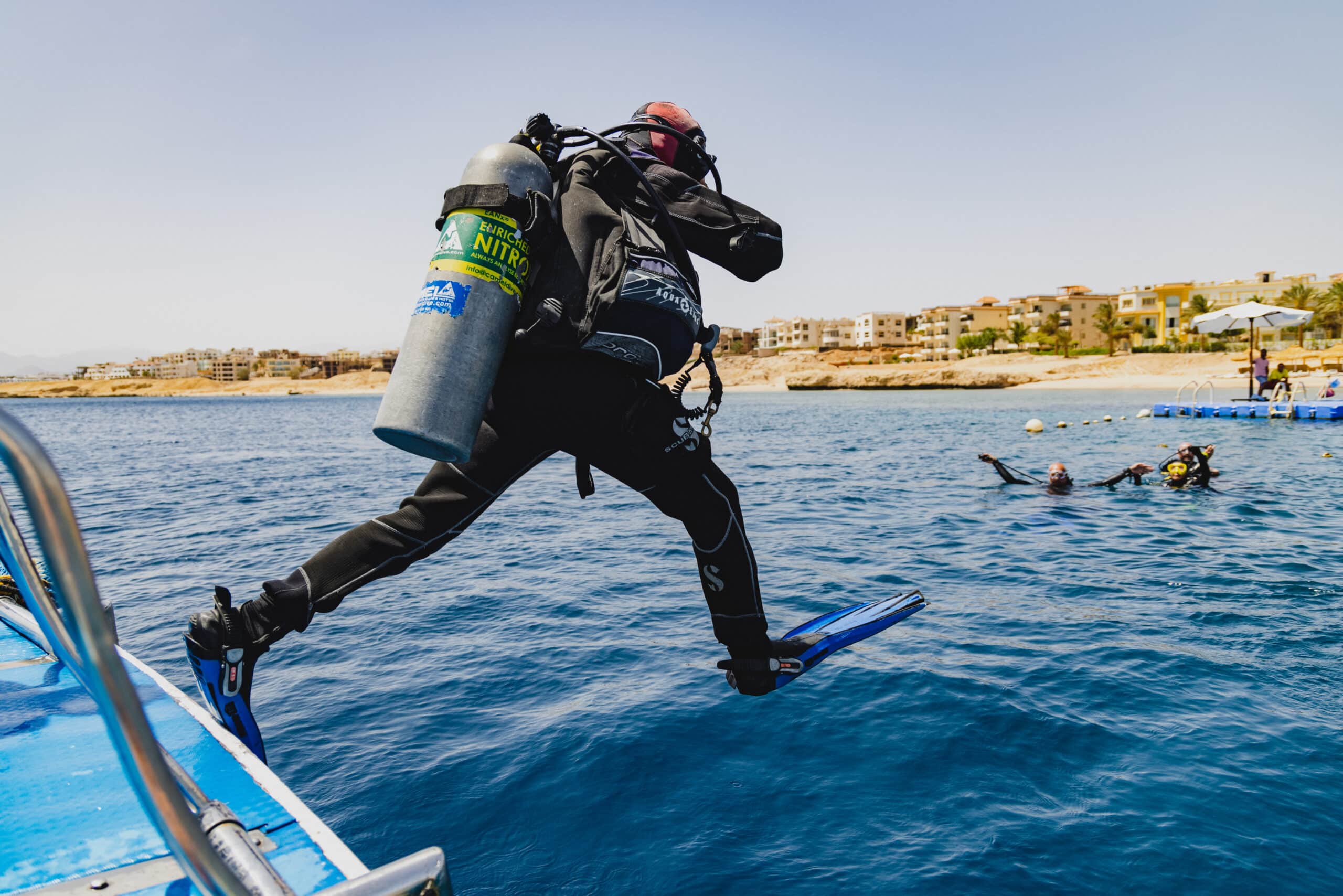
Before the all-inclusive resorts. Before Naama Bay filled up with lights, hotels and pleasure boats. Before any of that, there was the sea and Camel was already part of it.
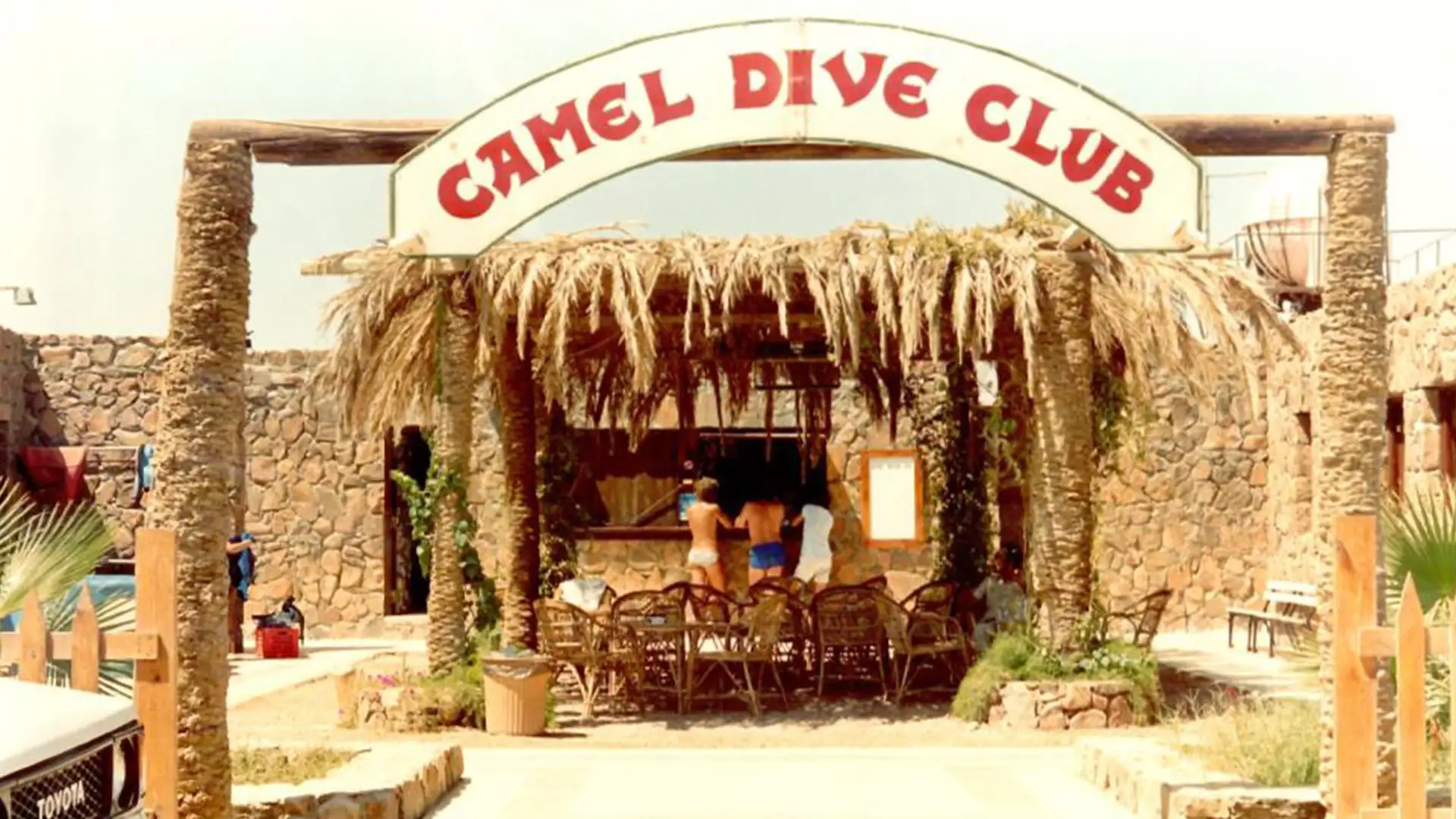
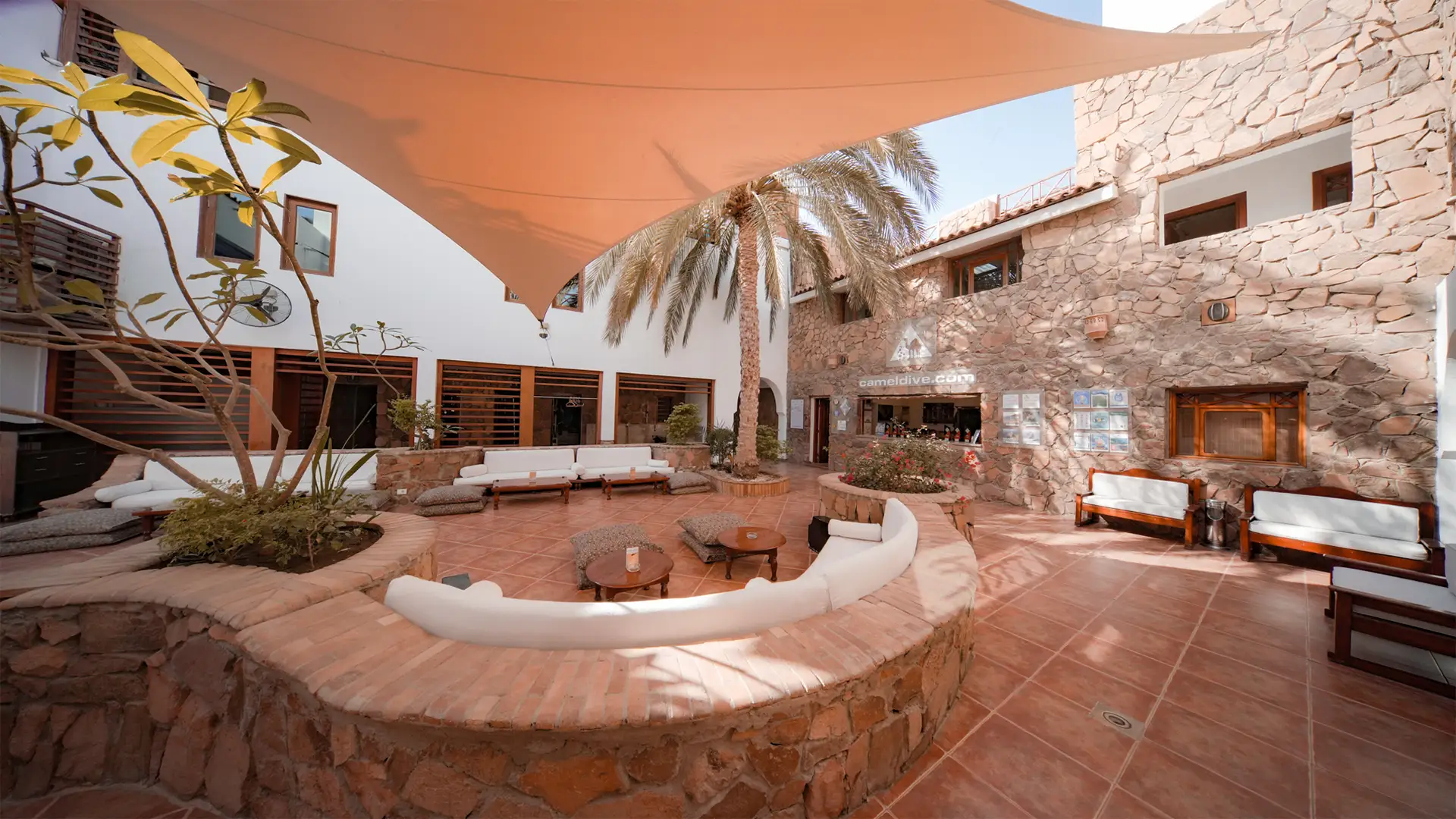
In 2026, Camel Dive Club & Boutique Hotel turns 40. Forty years of Red Sea diving, of first-timers and regulars on their twentieth trip, of boats leaving at dawn and returning with stories. Four decades in which Sharm el-Sheikh has transformed beyond recognition, while Camel has quietly, deliberately, stayed exactly as it should be.
This isn’t just an anniversary. It’s the story of a place that has outlasted trends, survived geopolitical shifts and resisted the pull of mass tourism — all in pursuit of one simple idea: doing things well, for people who genuinely love the sea.
Why Sharm el-Sheikh? Where It All Began
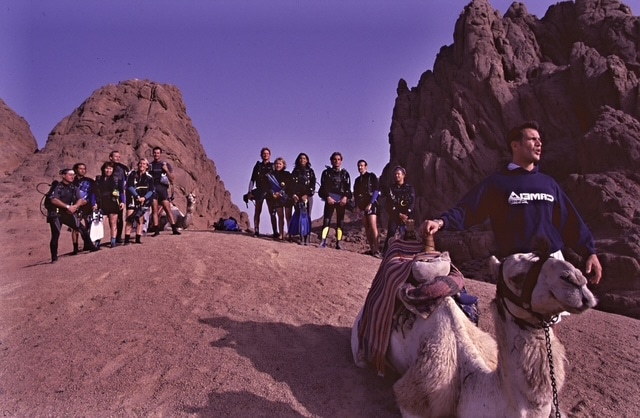
In 1986, Naama Bay was little more than a deserted stretch of coastline. No luxury resorts, no bustling promenade. Just the reef, the wind, and a sea teeming with life. It was the kind of place that drew a certain type of person: divers, adventurers, people who preferred the ocean to the swimming pool.
It was in this setting that Hesham saw what others hadn’t yet: the potential of Naama Bay as a serious diving destination in the Red Sea. Not a resort, not a holiday package. A place where diving would be at the heart of everything.
“In 1986, when I finally secured the land where Camel would be built, Naama Bay was the heart of Sharm El-Sheikh: a simple bay, with three dive centres, two government-run hotels and not much else. Many people saw a remote, underdeveloped place, with a barely functioning airport and tourists who had to travel via Cairo or Eilat before enduring hours on a bus through the desert. I saw something different. I saw the potential of a place built around the sea, where everything was still to come.
At the time, Camel’s phone number was simply ‘524’. To handle telex communications, I had to hire a clerk in Cairo to receive messages, which were then brought down by bus to the business centre for sending. It sometimes felt like carrier pigeons would have been faster. But I was certain. We broke ground in July 1986 and opened Camel by December of the same year.”
Hesham, Founder of Camel
What Camel was like in 1986 (and what it is today)
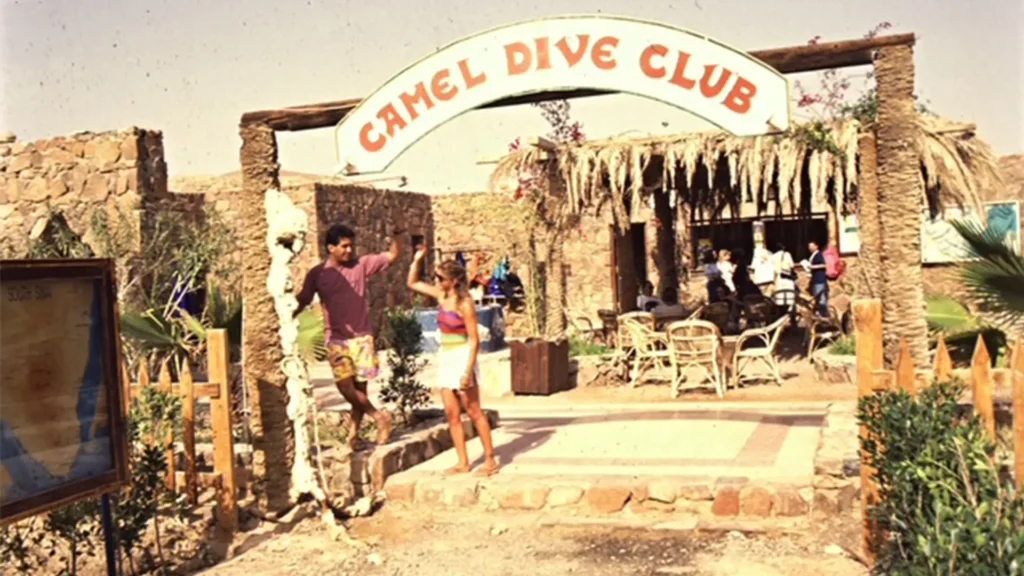
In the early days, there were a few boats, a compressor, a great deal of expertise and a genuinely warm welcome. The idea of a boutique hotel or an integrated guest experience didn’t exist yet. But something rarer did: a way of working built on trust, safety and a real passion for sharing the sea.
Courses were taught with care, dive sites chosen according to each guest’s ability, and trips organised without any sense of rush. Diving in its purest form. The kind that people remembered long after they got home. And those with a few grey hairs will also remember the cold beer at the end of the day, looking out at that sea, beneath those palm trees.
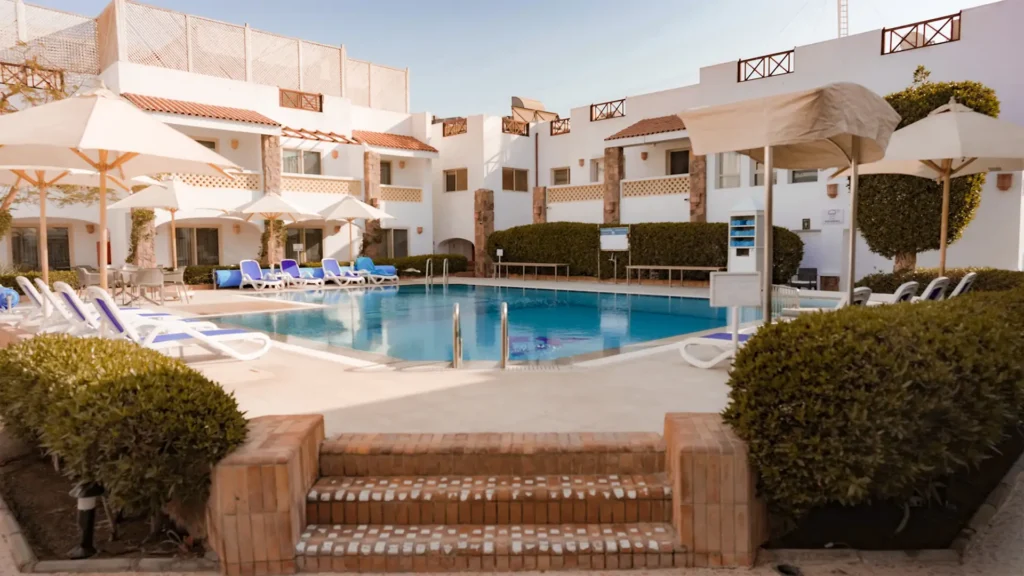
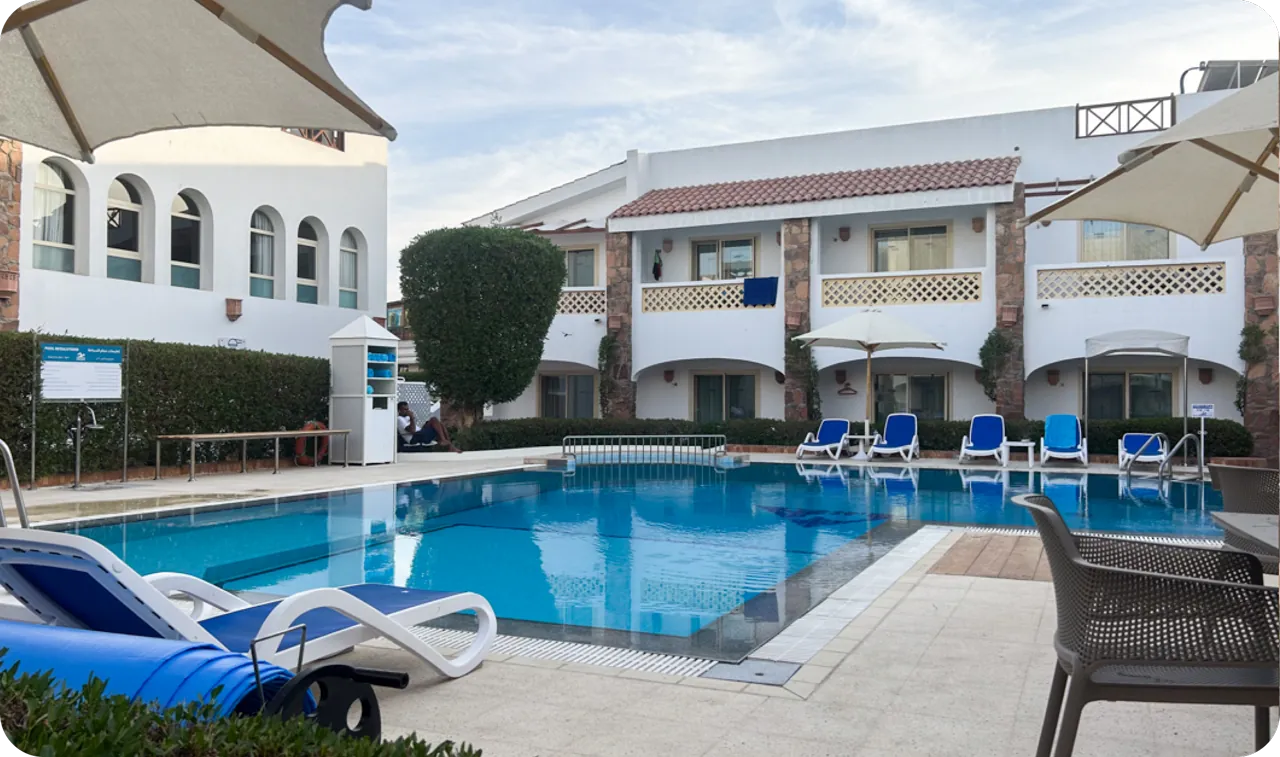
Today, Camel Dive Club & Boutique Hotel occupies the same place in people’s minds as it always has: the place you go when you want to dive properly. The structure around it has grown considerably though, with a boutique hotel, restaurant, bar and shared spaces designed for people who love the sea and refuse to compromise on how they experience it.
The shape has changed. The soul hasn’t.
Growing without losing yourself: Camel as Sharm changed
The nineties and noughties transformed Sharm el-Sheikh into one of the most visited beach destinations in the wider Mediterranean region. All-inclusive resorts multiplied, charter flights filled up, and mass tourism gradually took over what had once been a haven for a relatively small, dedicated crowd.
Against that backdrop, Camel made a clear and deliberate choice: not to chase growth at any cost, but to stay committed to a model where the quality of the experience comes before volume. Boutique, not resort. Community, not crowds. Proper diving, not mass snorkelling.
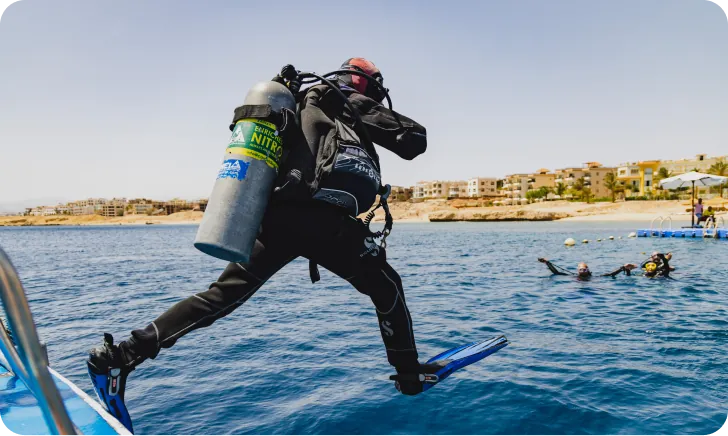
As Naama Bay changed around it, Camel kept working the way it always had: small groups of no more than six divers per guide, carefully selected instructors, rigorous safety procedures and free Nitrox for certified divers. Choices that come at a cost, but that make all the difference to those who know what to look for.
This isn’t resistance to change. It’s clarity of identity. Camel has stayed small on purpose, because the size is part of what it offers.
All under one roof: the Camel ecosystem
One of the first things guests notice when they choose Camel is how coherent the whole experience feels. It isn’t a dive centre bolted onto a hotel. It isn’t a hotel that happens to offer diving as an add-on. It’s an ecosystem built around the diver, where every part connects naturally to the next.
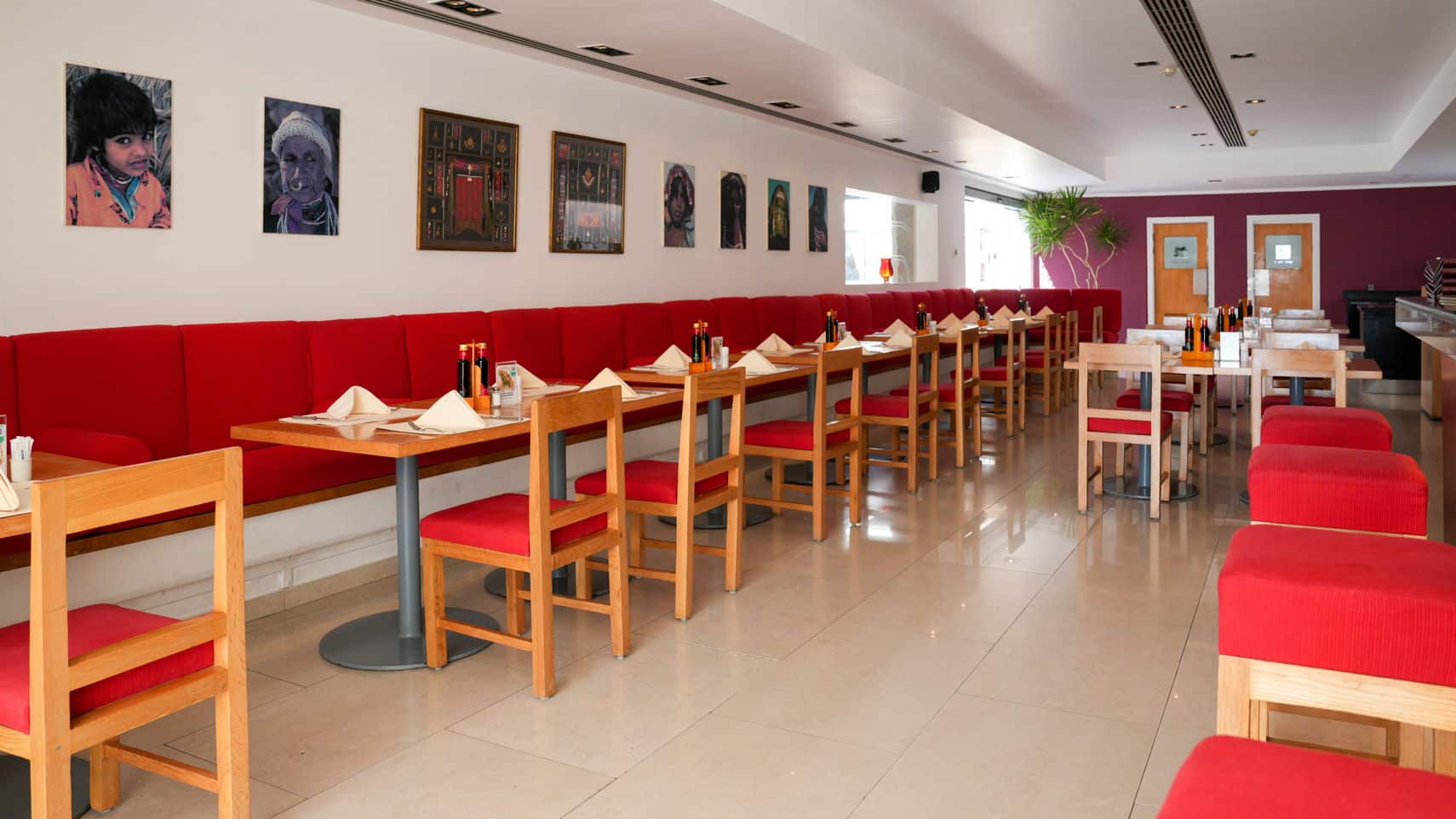
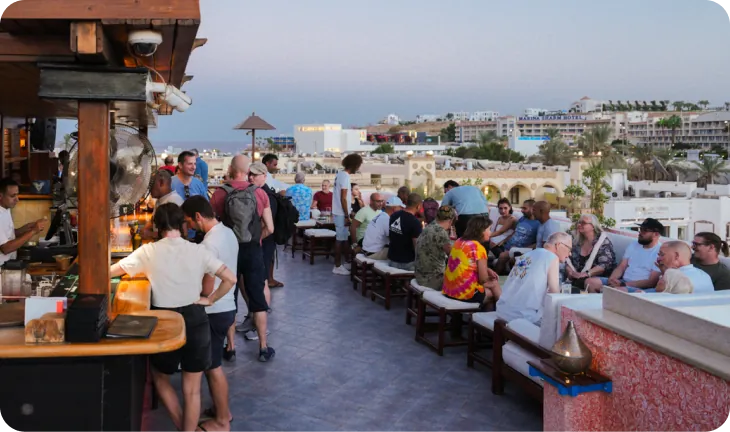
The boat is a short walk from your room. The morning briefing happens over coffee. After the dives, the shared spaces become natural gathering points: the good kind of tiredness that comes from a day at sea, photos to look through, stories from the day. The restaurant and bars carry those moments on into the evening.
It’s a kind of hospitality that doesn’t announce itself. You notice it when the staff know your name by the second day. When the rooms are designed for proper rest rather than appearances. When nobody tries to sell you something you don’t need. Camel works because the people running it understand divers. Mostly because they are divers themselves.


The Camel Community: Why Guests Come Back, Year After Year
The figure that speaks louder than any statistic is this: many of Camel’s guests are not first-timers. They return. Every year, or nearly so. Some have been coming for ten years, some for twenty. Some learnt to dive here and now come back to advance their qualifications. Others arrived in their thirties and are still returning in their fifties.
It is not nostalgia. It is that Camel does what it promises, and does so consistently, with a level of care that does not depend on the season or on who happens to be on shift that day.
I travel the world in search of the purest blue I can find. I have explored remote coral reefs, distant atolls, pristine waters. And yet, whenever I can, I come back to Sharm. I come back to Camel. I have been doing so since 1992.
Because here you are not simply booking dives. You are coming home.
You feel it the moment you step through the doors of the Camel Hotel. Everything is designed for people who truly love the sea. It is a hotel genuinely built for divers: comfortable, welcoming, refined without being pretentious.
Here you are not just a guest. You are part of something. Every time I leave, I feel that bittersweet sensation of saying goodbye to real friends. And every time, I already know I will be back.
Riccardo Benzi Capelli, Italy – Camel’s guest since 1992
I have already dived with Camel Dive Centre on two occasions and everything is always very well organised, convenient and suited to every level. I stayed at the Camel Hotel on a half-board basis: the food is truly excellent, a very pleasant surprise. It is one of those places that makes you want to come back. And I will most certainly return.
Viktoria Reinmann, Estonia
40 Years, and the Next Chapter is Yours
Forty years of Camel Dive in Sharm el-Sheikh are not a final destination. They are a base from which to keep going. The same sea, the same approach, the same attention to detail, with everything that four decades of experience add to every dive.
Whether you are coming for the first time or the twentieth, you will find the same Camel: small by choice, attentive by vocation, passionate by nature.
Your chapter starts here…
The Camel Boutique Experience was built for exactly this kind of guest: someone who wants to dive properly, sleep well, eat well, and wake up to the same sea. Everything under one roof, nothing left to chance.