

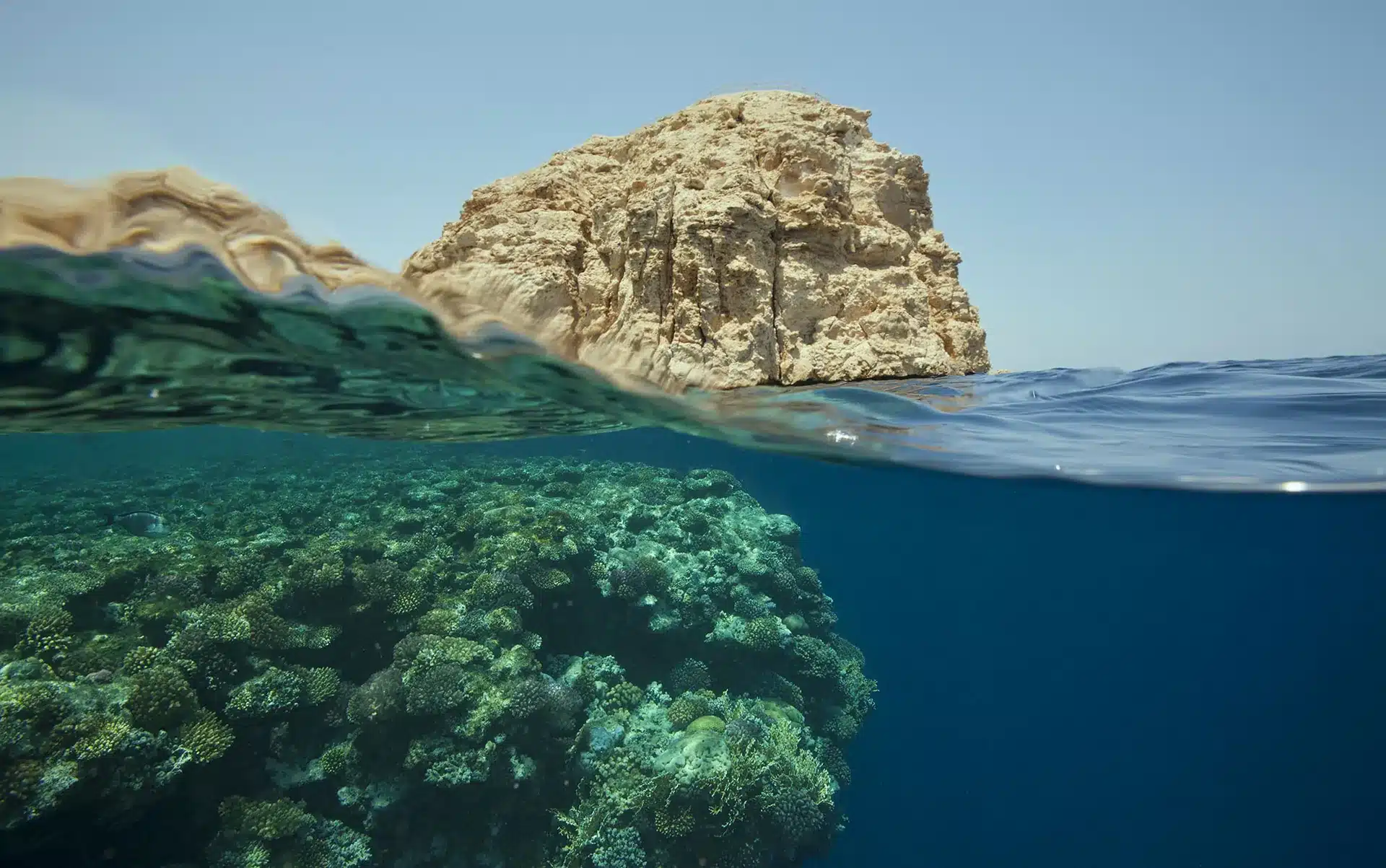
The Camel Dive Club team has been exploring the Red Sea since 1986. Our instructors and dive guides share their first-hand knowledge of Sharm El Sheikh’s reefs, wrecks and marine life, gained through decades of daily diving.
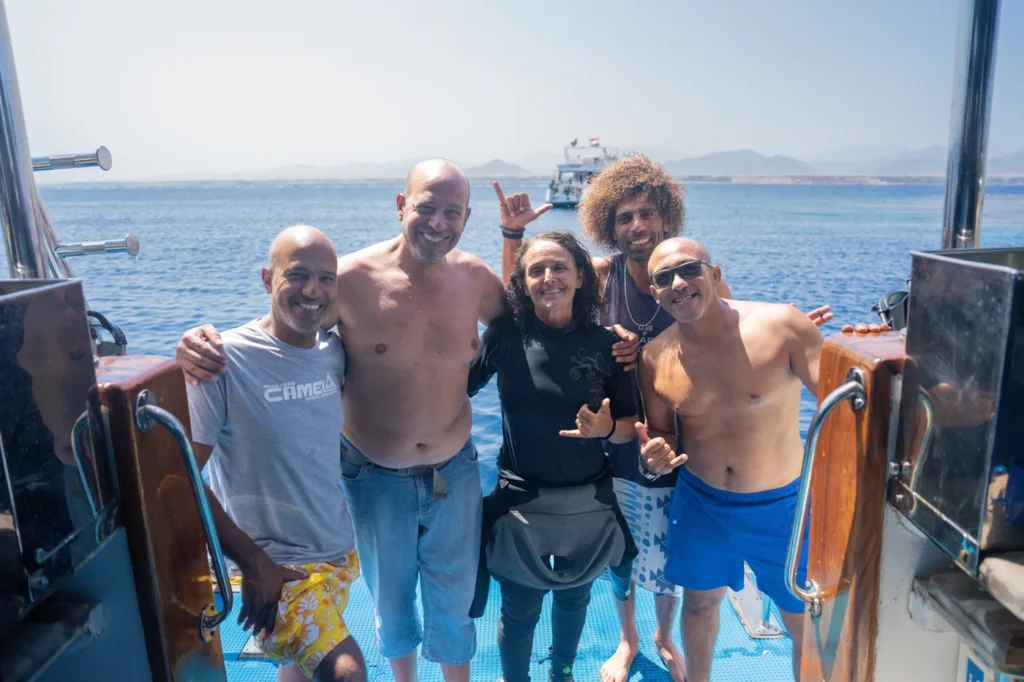
Ask a diver to name their favourite dive site in Sharm El Sheikh and you will probably hear some familiar names. Shark & Yolanda, Jackson Reef, the SS Thistlegorm. Places that have earned their reputation through decades of extraordinary diving.
But what happens when you ask someone who has dived these sites hundreds, perhaps thousands, of times?
We put that question to 14 members of the Camel Dive Club team. Our instructors and dive guides spend much of their working lives underwater, exploring the reefs of Ras Mohammed, the Straits of Tiran and the coastline around Sharm El Sheikh. They know these waters intimately, yet they still have their personal favourites.
We asked them to choose the places they love returning to and explain what makes those dives special to them.
Their answers reveal a fascinating variety of preferences. Some are drawn to the possibility of encountering large pelagic animals. Others appreciate an unusual underwater landscape or a particular coral formation. And some find their greatest pleasure in observing the smallest inhabitants of a familiar reef.
Here are 10 of the best dive sites in Sharm El Sheikh, seen through the eyes of the people who know them best.
Ras Mohammed: spectacular walls and marine life
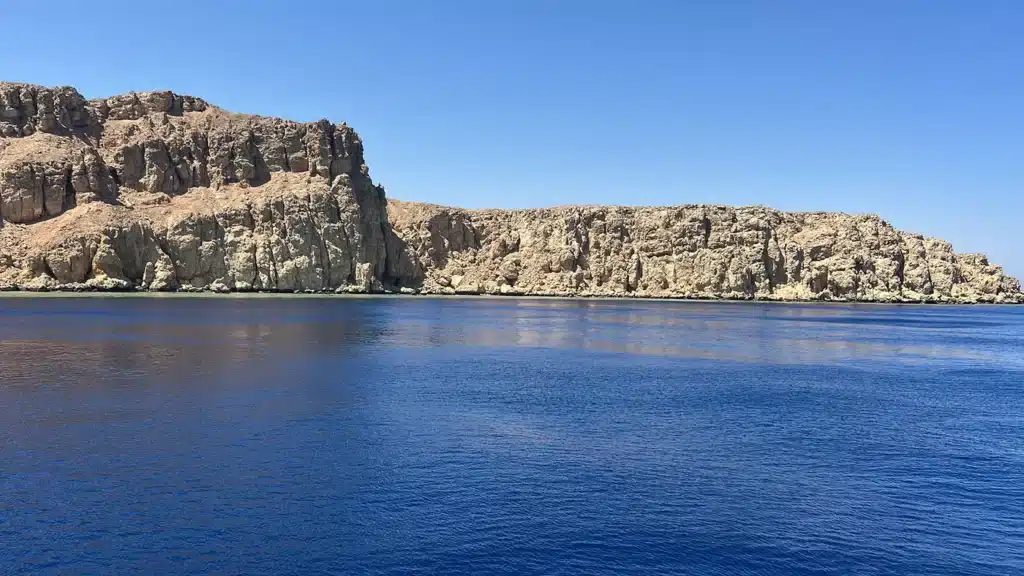
Ras Mohammed National Park lies at the southern tip of the Sinai Peninsula, where the waters of the Gulf of Aqaba meet those of the Gulf of Suez. Its spectacular reef walls and extraordinary marine biodiversity have made it one of the Red Sea’s most celebrated diving destinations.
But the beauty of the Ras Mohammed dive sites lies in their variety. Each site has its own character, and even experienced divers can find something different to appreciate on every visit.
1. Shark & Yolanda Reef: a favourite in every season
Chosen by Alessia and Sayed
For Alessia, there is no hesitation. Shark & Yolanda remains her favourite dive, whatever the season. Sayed shares her enthusiasm, particularly for the enormous schools of fish and the soft corals covering the wall of Shark Reef.
The site combines two magnificent reef formations. Shark Reef drops steeply into deep blue water, its walls decorated with colourful soft corals and clouds of anthias. Nearby, Yolanda Reef offers a plateau scattered with coral formations and the famous cargo of the merchant ship that grounded here in 1980.
During the warmer months, large schools of snapper, barracuda and other fish may gather around the reefs, creating some of the Red Sea’s most memorable underwater spectacles.
Yet Shark & Yolanda does not need a spectacular encounter to justify its reputation. The reef itself is magnificent, and its appearance changes with the light, the current and the season.
Perhaps that is why Alessia and Sayed never tire of it. Even after countless visits, there is always a reason to look forward to the next dive.
2. Jackfish Alley: caves, coral gardens and changing light
Chosen by Maher, Mostafa Ezz and Fady
Three Camel professionals chose Jackfish Alley, each with a slightly different reason. Maher loves its unusual topography and the sunlight filtering through openings in the reef. Fady is fascinated by its two shallow cave-like passages and coral garden, while Mostafa Ezz particularly enjoys the possibility of encountering jackfish and barracuda.
Jackfish Alley begins along a reef wall interrupted by openings where sunlight creates beautiful underwater effects. Further along, a sandy plateau and scattered coral formations offer a completely different landscape.
The site takes its name from a sandy passage between the main reef and a satellite reef, where schools of jackfish may occasionally be encountered.
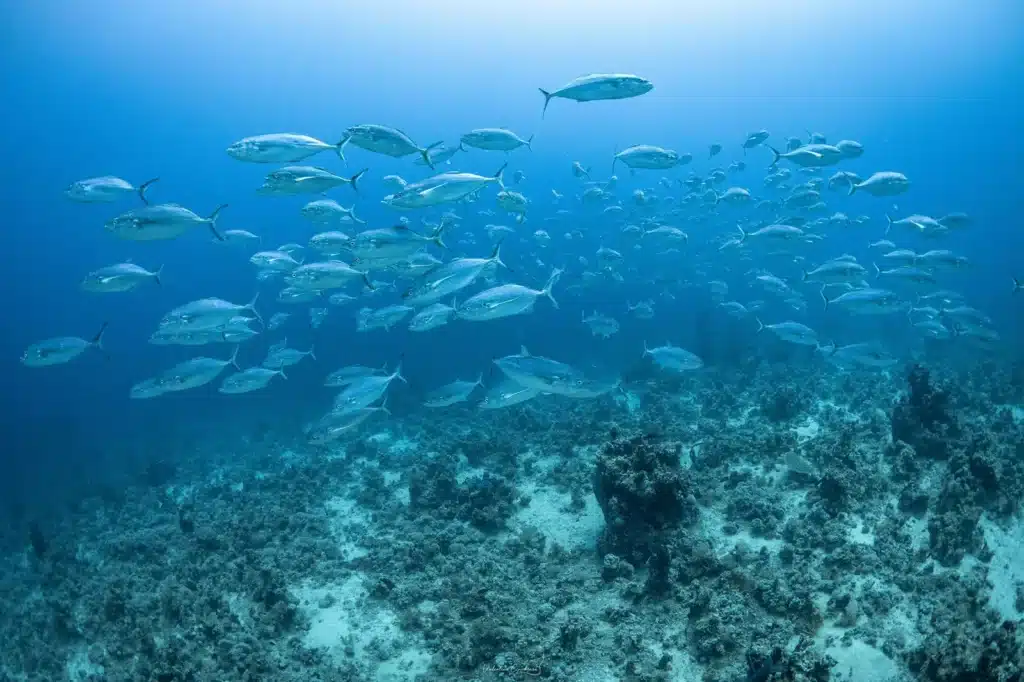
There is plenty to discover beyond the larger fish. Small reef inhabitants shelter among the corals, while the changes in light and topography make this a particularly rewarding dive for underwater photographers.
Jackfish Alley is one of those places where the route itself is part of the pleasure. You move between contrasting environments, never quite knowing what will appear around the next coral formation.
3. Ras Za’atar: from tiny nudibranchs to the open blue
Chosen by Hana
Hana loves Ras Za’atar for the extraordinary range of marine life that can be encountered during a single dive. Her favourite features are the beautiful wall and the pinnacles covered in soft corals, but she also appreciates the possibility of seeing anything from a tiny nudibranch to a large plankton-feeding visitor in the blue.
Situated along the eastern coastline of Ras Mohammed, Ras Za’atar offers a varied underwater landscape where coral-covered formations interrupt the steep reef wall.
The pinnacles provide shelter for smaller marine animals, while the surrounding water occasionally attracts larger visitors. This makes the site particularly appealing to divers who enjoy observing marine life at every scale.
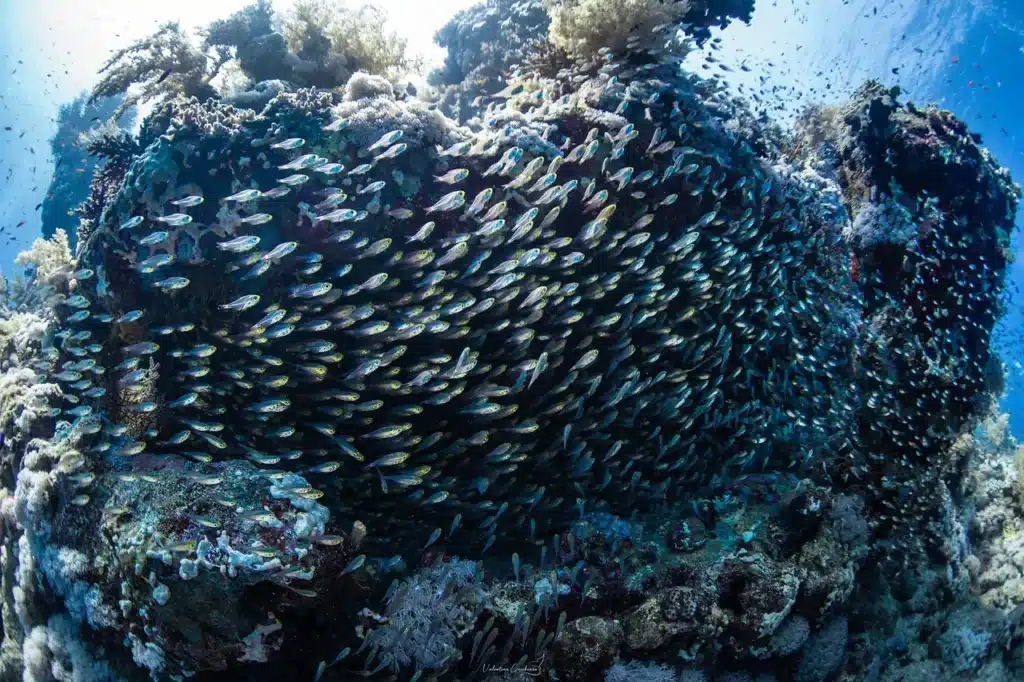
A nudibranch moving slowly across a coral formation can be just as interesting as a distant silhouette passing through open water.
For Hana, that variety is precisely the attraction. Ras Za’atar encourages you to pay attention to what is happening close to the reef without forgetting to glance into the blue.
4. SS Dunraven: exploring a historic Red Sea shipwreck
Chosen by Abdu
Abdu loves the Dunraven because it offers two very different experiences during the same dive: exploring a historic shipwreck and enjoying the marine life of the surrounding reef.
The SS Dunraven was a British steamship that sank in 1876 near Sha’ab Mahmoud, west of Ras Mohammed. Today, the overturned wreck rests on the seabed, its structure transformed into a habitat for marine life.
Fish shelter inside the hull and around its openings, while the nearby reef supports a rich variety of species. Abdu particularly enjoys the possibility of encountering Napoleon wrasse, occasional sharks and well-camouflaged creatures such as stonefish.
There is something fascinating about seeing how the sea gradually takes possession of a ship. Corals settle on its surfaces, fish occupy its sheltered spaces and a vessel built for an entirely different purpose becomes part of the underwater environment.
For Abdu, the Dunraven is special because the dive does not end with the wreck. The surrounding reef has a story of its own.
The Straits of Tiran: coral gardens, currents and pelagic encounters
North-east of Sharm El Sheikh, four major reefs rise from the seabed in the Straits of Tiran. Their position exposes them to currents that bring nutrients and support remarkably rich marine ecosystems.
Jackson, Thomas and Gordon are the best-known Tiran dive sites and among the most celebrated in the northern Red Sea. Their underwater landscapes differ considerably, offering everything from colourful coral gardens to dramatic walls and the possibility of encounters with pelagic species.
5. Jackson Reef: spectacular corals and the possibility of hammerheads
Chosen by Maher, Ali and Hana
Jackson Reef received three votes from our team, making it one of their most popular choices.
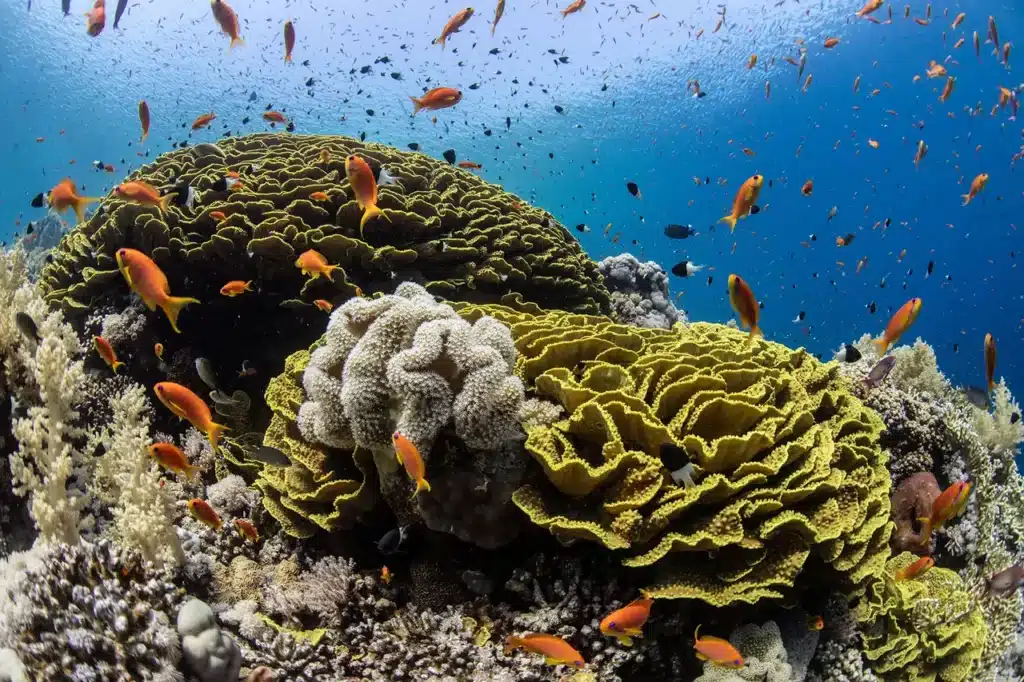
Ali loves the sheer abundance of fish and the colours of the coral formations. Hana considers its coral garden among the healthiest and most beautiful in the area, while Maher appreciates the possibility of encountering larger animals, including hammerhead sharks.
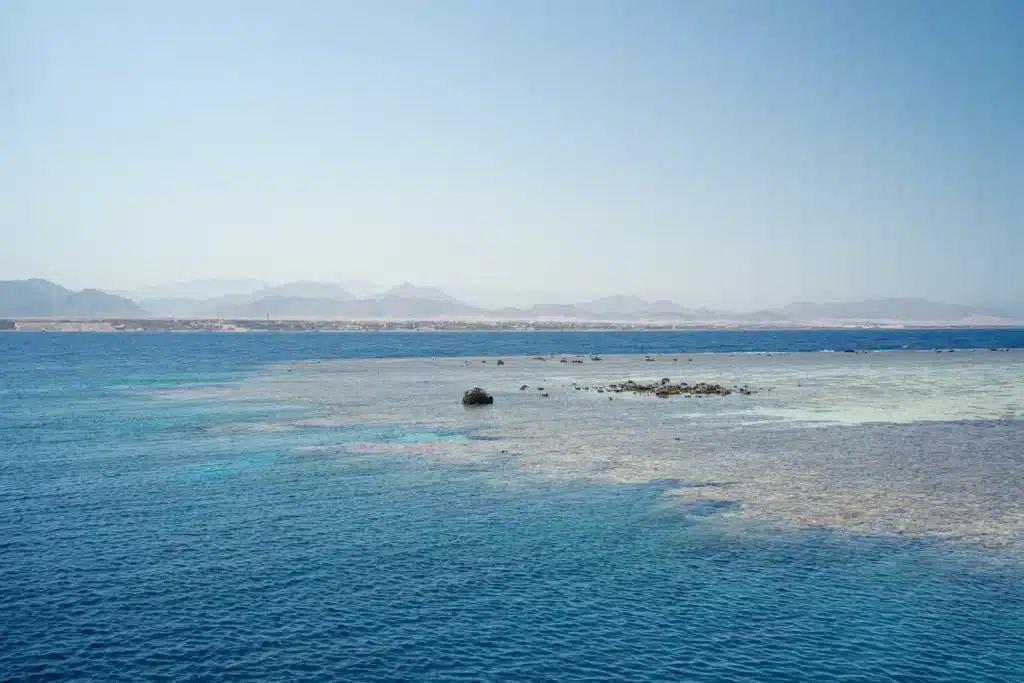
Jackson is the northernmost of Tiran’s four principal reefs. Its sheltered southern side is famous for extensive hard coral formations, where an extraordinary variety of reef fish finds food and shelter.
In suitable conditions, more exposed sections of the reef may offer opportunities to encounter pelagic species. Hammerhead sightings are possible at certain times of year, although they are never guaranteed and the currents require careful dive planning.
But Jackson’s appeal extends far beyond the prospect of seeing sharks.
The coral garden alone provides an extraordinary underwater landscape, full of intricate shapes and constant movement. For Ali, Maher and Hana, it is a place that continues to reward even the most familiar dive.
6. Gordon Reef: colourful shallows and exciting drift dives
Chosen by Fahd and Mostafa Askrea
Fahd and Mostafa Askrea both chose Gordon Reef, but for very different reasons.
Fahd particularly enjoys the shallow areas, where abundant, healthy soft corals create a colourful underwater landscape. Mostafa prefers Gordon Amphitheatre, also known as Shark Pool, for its fish life, possible encounters with barracuda and sharks, and the excitement of a drift dive when conditions allow.
Gordon is the southernmost of Tiran’s four principal reefs. Its underwater topography includes broad plateaux, coral formations and areas exposed to currents.
The shallower sections offer beautiful opportunities to appreciate the reef’s smaller inhabitants, while the more exposed areas can attract larger marine life.
Above the surface, the remains of the Loullia, a cargo vessel that grounded on the reef in 1981, provide a distinctive landmark.
What makes Gordon particularly interesting is how differently two experienced divers can experience it. Fahd is captivated by the corals, while Mostafa enjoys the more dynamic character of the reef.
The same dive site, two entirely personal reasons to return.
7. Thomas Reef: dramatic walls and a famous underwater canyon
Chosen by Abdu
Thomas Reef is one of the smaller reefs in the Straits of Tiran, but its underwater scenery is remarkably dramatic.
Abdu particularly enjoys the view towards the famous canyon and the beautiful wall, which supports an impressive variety of corals and fish. Even without approaching the canyon itself, he finds the surrounding landscape fascinating.
Thomas is known for its steep drop-offs, coral-covered terraces and impressive sea fans. The reef wall offers an abundance of marine life, while the underwater topography changes dramatically with depth.
The canyon is a deep geological feature associated with technical diving. Recreational divers can appreciate the surrounding scenery from appropriate depths, depending on conditions and the planned route.
There is certainly no shortage of beauty along the shallower sections of the reef.
For Abdu, Thomas combines the pleasure of exploring a living coral wall with the fascination of an extraordinary underwater landscape. Sometimes the most impressive part of a dive is simply looking out across the reef and appreciating its scale.
Sharm El Sheikh’s Local Reefs: the beauty of familiar waters
Some of the best reefs in Sharm El Sheikh are often overlooked in favour of the famous sites of Ras Mohammed and Tiran.
Our instructors know better.
These are the waters closest to Camel Dive Club’s home in Naama Bay, where we have been welcoming divers since 1986. They offer a remarkable variety of underwater environments, and many of our guides have explored them hundreds of times.
8. Ras Ghamila: gorgonian sea fans and open underwater landscapes
Chosen by Ahmed Ozman
Ahmed Ozman appreciates Ras Ghamila for its excellent visibility, broad plateaux and beautiful coral gardens. What he particularly loves, however, is its impressive concentration of gorgonian sea fans.
Situated towards the northern end of Sharm El Sheikh’s local diving area, Ras Ghamila offers an open underwater landscape with a wide sandy plateau, scattered coral formations and a drop-off leading towards deeper water.
The gorgonians are among the site’s most striking features. Their delicate branching structures create beautiful shapes against the surrounding reef, while smaller fish move among the coral formations.
Ahmed also enjoys diving here when a favourable current allows a gentle drift towards the drop-off.
The sense of space is part of Ras Ghamila’s appeal. With good visibility, the broad plateau opens out before you, inviting you to explore the coral formations and keep an eye on the surrounding water.
For Ahmed, it is a dive where the scenery deserves as much attention as any passing marine life.
9. Naama Bay: discovering the smaller inhabitants of the reef
Chosen by Francesco
Francesco’s choice might surprise divers expecting another spectacular wall or offshore reef. One of his favourite places to dive is Naama Bay itself.
He loves it because its relatively sheltered waters provide nursery habitats for juvenile marine animals. Around the sandy bottom and coral formations, patient observers can discover an astonishing variety of life, including young barracuda and occasional eagle rays.
For Francesco, there is something particularly fascinating about watching animals during the early stages of their lives. Some of the small fish encountered here may eventually grow into the larger creatures divers admire elsewhere in the Red Sea.
It is a very different way of approaching a dive.
Instead of searching for something spectacular in the distance, Francesco enjoys exploring slowly and allowing himself to be surprised by what he finds.
Naama Bay has also been Camel’s home since 1986. Countless divers have taken their first underwater breaths here, discovering a world that Francesco continues to find fascinating after years of experience.
Sometimes the most rewarding discoveries are waiting just outside your own door.
The legendary wreck of the northern Red Sea
10. SS Thistlegorm: history, wreck diving and marine life
Chosen by Claudio
Claudio needed very few words to explain his choice of the SS Thistlegorm: epic, huge, history and fish.
And it is difficult to disagree.
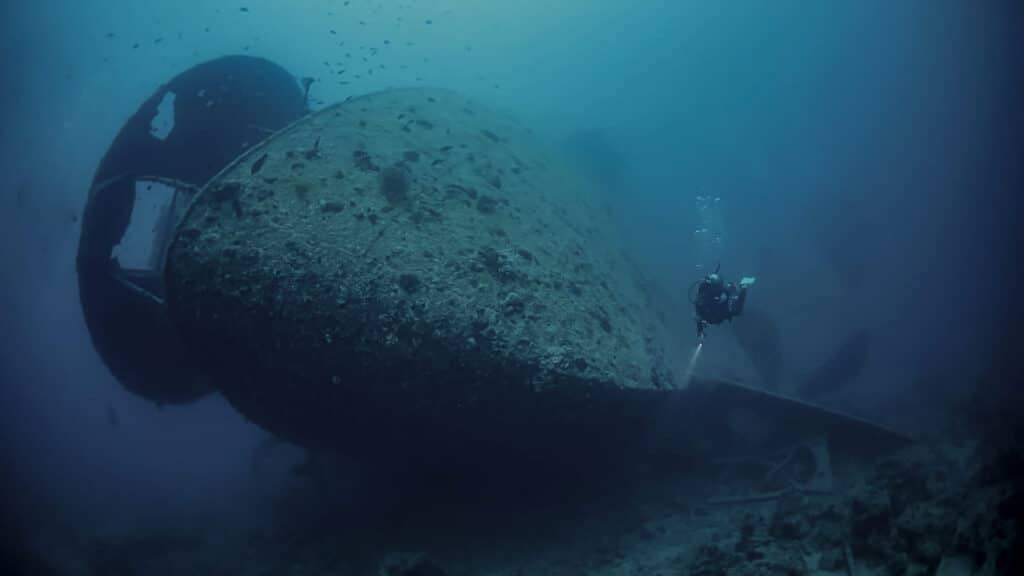
The Thistlegorm was a British merchant ship sunk by German aircraft in October 1941 while carrying military supplies during the Second World War. Today, it rests on the seabed in the northern Red Sea, with motorcycles, trucks and other wartime cargo still visible inside its holds.
Thistlegorm diving is an extraordinary encounter with history. Its immense structure, cargo and machinery offer a glimpse into a very different world, preserved beneath the surface.
But the Thistlegorm is also a thriving artificial reef.
Schools of fish gather around the superstructure, while marine life occupies the ship’s openings and sheltered spaces. Every dive reveals another detail, whether it belongs to the vessel’s history or to the animals that now inhabit it.
For Claudio, the combination is irresistible. The wreck is monumental, its story is compelling and the marine life ensures that no two visits feel exactly the same.
Why our dive guides keep returning to these sites
Some of our instructors are fascinated by the possibility of encountering large pelagic animals. Others are drawn to the colours and complexity of coral reefs. Francesco finds particular pleasure in the juvenile fish of Naama Bay, while Claudio cannot resist the history of the Thistlegorm.
What they share is the experience of spending countless hours underwater without losing their curiosity.
Fourteen diving professionals, ten favourite dive sites and many different reasons to love the Red Sea.
At Camel Dive Club, we have been exploring the reefs of Sharm El Sheikh since 1986. Forty years of diving have taught us that knowing a site well does not mean there is nothing left to discover.
Our experienced guides, private daily boats and small groups of no more than six divers per guide allow us to share that knowledge while giving every diver the space to enjoy the experience.
And choosing the right site is always part of the pleasure. Conditions change, currents vary and the sea has its own plans. Our job is to find the best diving opportunities for the day and help you appreciate what makes each place special.
Whether you are visiting Sharm El Sheikh for the first time or returning to reefs you already know, there is always another perspective worth exploring.
Come diving with the people who know these reefs and still love them.
Best Dive Sites Near Sharm: FAQ
Sharm El Sheikh offers outstanding diving at Ras Mohammed National Park, the Straits of Tiran and its local coastal reefs. Shark & Yolanda, Jackson Reef, Jackfish Alley and the SS Thistlegorm are among the best-known sites, but the ideal choice depends on conditions, experience and personal interests.
Both offer exceptional diving. Ras Mohammed is particularly famous for its dramatic walls, rich coral reefs and seasonal fish aggregations. Tiran is known for its coral gardens, currents and opportunities to encounter pelagic species. Many experienced divers enjoy visiting both areas.
Yes. There are plenty of Sharm El Sheikh dive sites for beginners, including sheltered coastal locations used for training and introductory dives. The choice of site depends on the diver’s certification, experience and prevailing conditions.
Diving is possible throughout the year. Summer brings warmer water and opportunities for seasonal fish aggregations, while winter generally offers quieter dive sites and cooler water temperatures. Marine life encounters and underwater conditions vary throughout the year.
Yes, suitably qualified and experienced recreational divers can explore appropriate sections of the Thistlegorm. Depth, currents, visibility and any planned wreck penetration must be considered carefully. Some parts of the wreck require additional training and experience.